
Blog Post
Finding Balance in Life with Yoga: The Essence of Sthira and Sukha
Fitness
December 17, 2025
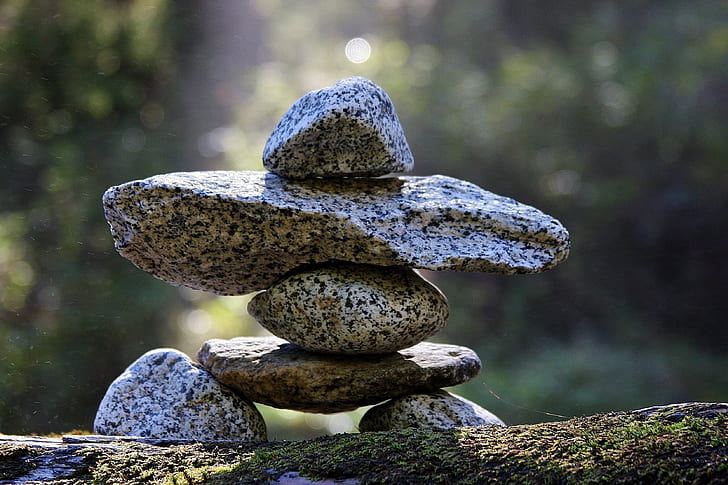
"Sthira sukham asanam: the posture is steady and comfortable."
This is the most frequently quoted Yoga Sutra by Patanjali in yoga sessions! Sthira refers to steadiness and firmness in your yoga asanas and sukha involves gentleness, softness, and ease.
Many of us often force our way forward through our practice, pushing to be in a posture and eager to move ahead to the next level. Is this the way? “Doing, trying, testing your limits” is good. It does help! But, that’s half of what you need for a good posture!
Balancing Effort and Release
According to Iyengar Guruji, “An asana should not distort the original structure of the human body. The focused awareness must be felt by every particle of the body, from the skin to the core and from the core to the skin.” This approach will allow the practitioner to experience stability and comfort in a posture. To achieve stability (sthir) in a posture one needs to understand the alignments of the body in a posture.
But please do not forget, that there is an inner dimension. It is called the sukha and it means “the good space.” It is the sense of ease inside the posture. Cultivating steadiness and ease in each pose requires a combination of effort and release. These two Sanskrit words are opposite but equally important.
In other words, an asana is properly performed when – in the muscles and the mind – there is stability and alertness without tension as well as relaxation without heaviness. If you practice yoga with strength and in a relaxed manner it gives rise to harmony with the physical body.
If you learn to relax your muscles in the yoga asanas, you will be able to achieve greater comfort. As a result, this will allow your mind to maintain calmness and make it easier for you to focus inward. The development of sthira and sukha in your asana practice is a great way to guide the physical body toward becoming more open and receptive to the effects of meditation. Your balanced practice of yoga asanas will prepare you for the next stages: pranayama, pratyahara, dharana, dhyana, and samadhi. So you can focus on the ultimate goal of yoga; a non-physical uniting with the Self, or God, and reaching ultimate freedom.
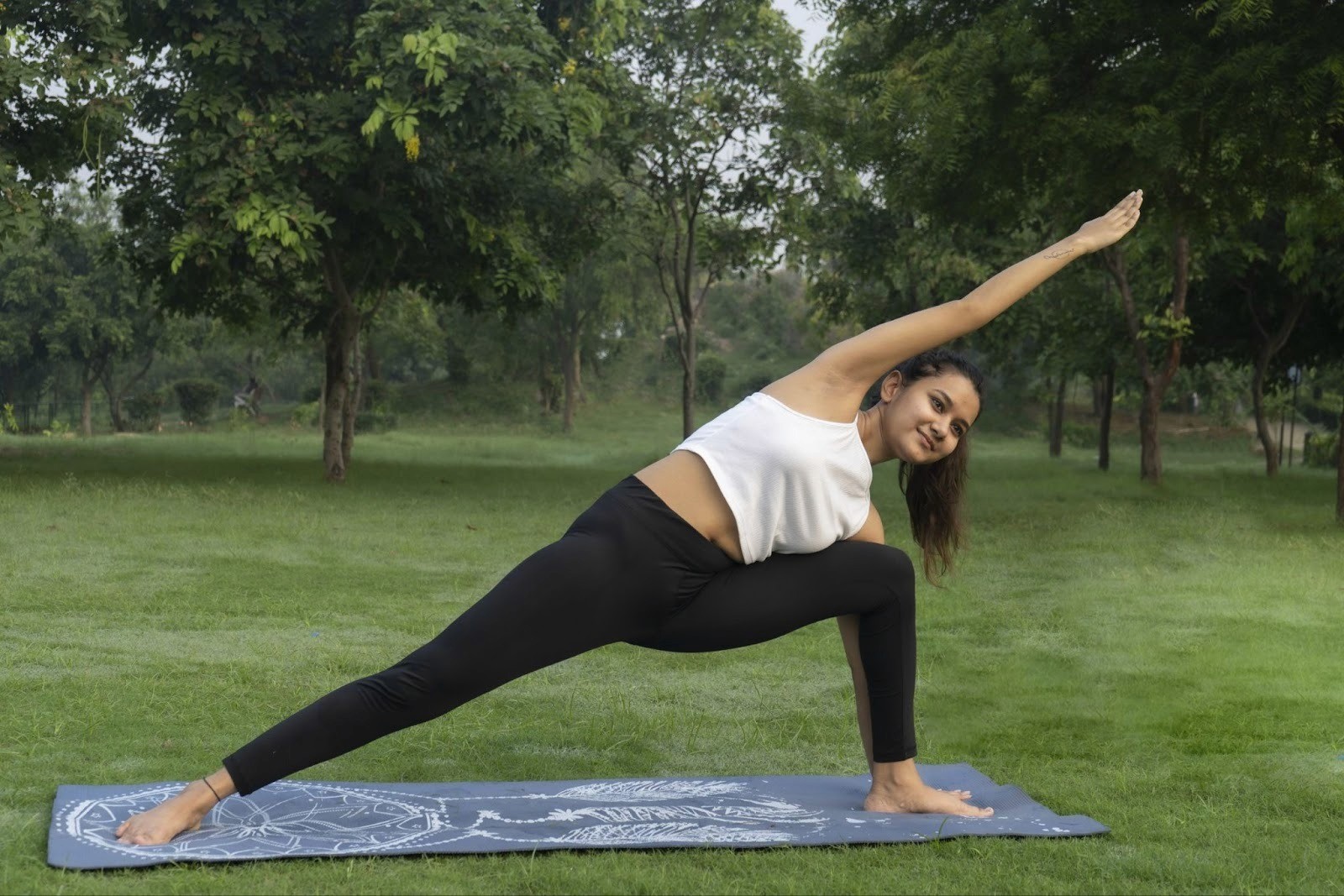
What are Sthira and Sukha?
In describing the qualities of asana with the adjectives "sthira" and "sukha," Patanjali uses language very skillfully.
The word, sthira, means more than just firm! You can translate sthira as stable, firm, resolute, steady, alert, motionless, or changeless. Sthira means steady and alert--to embody sthira, the pose must be strong and active. It also refers to the ability to pay attention and to be present. It is the opposite of agitation. It includes both physical and mental stillness: a controlled, fully engaged body and a focused mind.
Sukha translates as pleasurable, joyful, agreeable, easy, comfortable, happy, prosperous, and relaxed. It is the opposite of discomfort, suffering, or pain (duhkha). Here we bring in the principles of non-violence and self-acceptance. We nurture ourselves by doing something that feels good.
The actual translation of asana is seat or camp and can refer to a way of sitting, a hatha yoga posture, a place, or a situation. Traditionally, the word is linked to the seated position itself, or to a posture or series of postures that prepare the body for seated meditation. In the more expanded view of yoga, asana occurs not just on the yoga mat or meditation cushion but is the foundation from which we act in daily life.
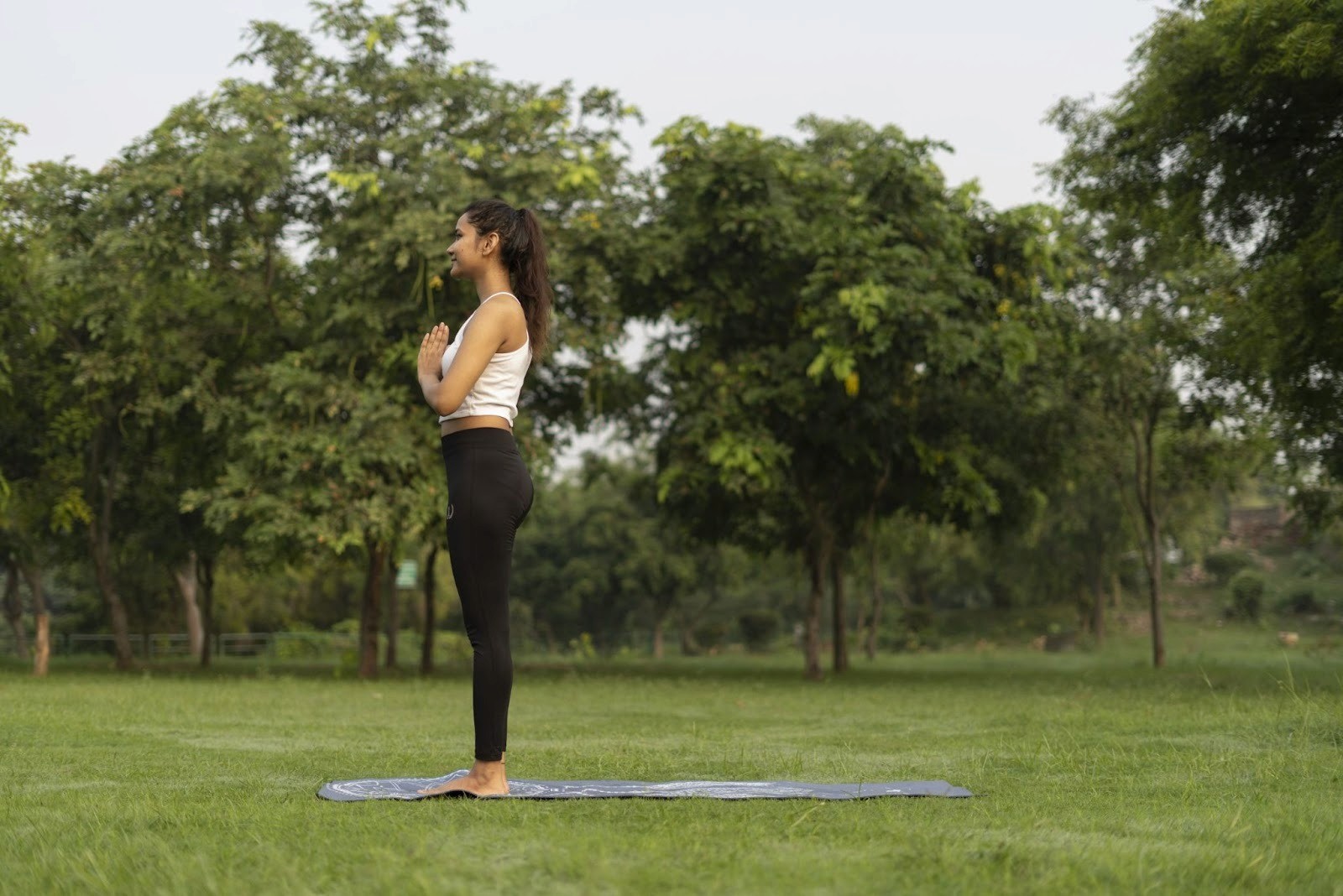
The Role of Breath in Asana: The Philosophy of Balance
In practicing asana, we create a ritual of entering and holding the posture without interruption for a period of time, being fully present with all the details, sensations, and experiences that occur in the body/mind. We complement the qualities of engagement with letting go. We find a balance between tension and relaxation, a balance between effort and ease that feels delicious and challenging at the same time. Sthira and sukha form a state of equilibrium (satva) that is without agitation (rajas) or inertia (tamas). T.K.V. Desikachar says, "It is attention without tension, loosening-up without slackness"
So, the asana must be joyful and soft. Finding sthira and sukha in your yoga practice can truly take it to the next level. These qualities are accessible in every asana, but it’s up to you to cultivate them. The breath naturally embodies sthira and sukha. You can inhale sthira with each breath and channel this new energy into strength and steadiness. There is a firmness to the inhale since there is an element of strength in the diaphragm filling and pressing downward. With each exhale sukha or release is possible since the volume of the diaphragm decreases and the pressure moves up and air is pushed out from the lungs. The breath ultimately represents the quality of each asana and is therefore the best place to begin. If you cultivate steadiness and ease of the breath, your asanas will be yoga asanas.
Practicing Sthira: Finding Your Support
Manifesting steadiness (sthira) requires connecting to the ground beneath us, which is our earth, our support. Whether our base is comprised of ten toes, one foot, or one or both hands, we must cultivate energy through that base. Staying attentive to our roots requires a special form of alertness. The grounded base gives the foundation, from which we can create, explore, and at times expand. This is how we can bring in the ease and the effortlessness. Just as steadiness requires and develops alertness, comfort entails remaining light, unburdened, and interested in discovery. By practicing this quality, we encourage a balanced equilibrium rather than imposing rigid rules for alignment. This helps to develop a natural respect toward the body and self. This is how we can then learn to move away from commanding our body to perform poses, and instead breathe life into them from the inside.
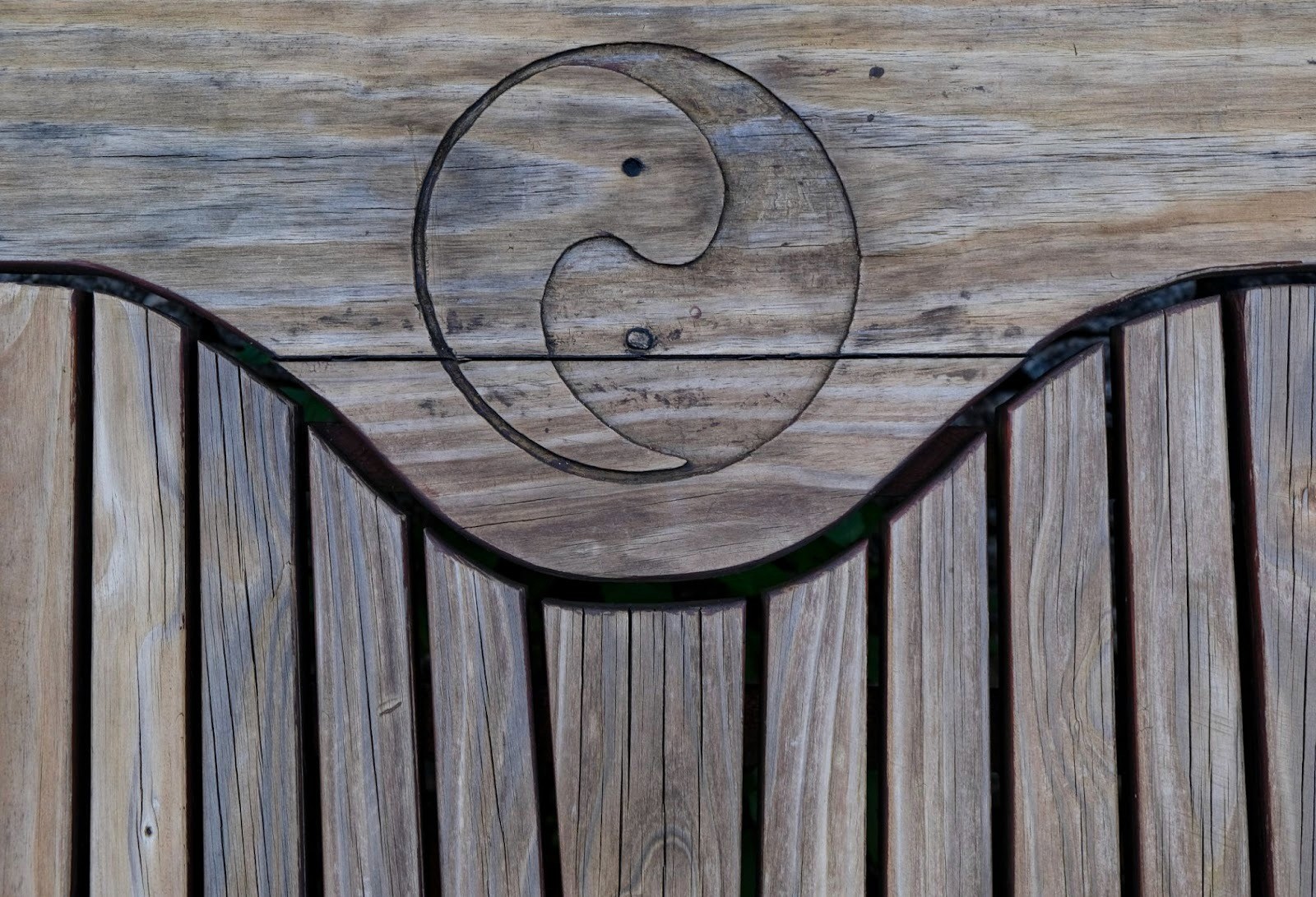
Yin Yang and Sthira and Sukha: The Key to Inner Harmony
Sthira and Sukha, the complimentary poles--or Yin and Yang co-essentials--teach us the wisdom of balance. By finding balance, we find inner harmony, both in our practice and in our lives. Sthira and Sukha are qualities to nurture on and off the mat. The way you practice yoga mirrors the way you live your daily life. Therefore, yoga can be a great tool for developing greater insight into ourselves and the world around us.
Finding Balance in Life
A lot of people struggle to find balance in their lives. We feel exhausted, depleted, drained and find it hard to unwind during our free time. If you learn to recognize when you are out of balance, you can start to change this imbalance. If you bring a balance of sthira and sukha into your life you cultivate a habit of facing difficult moments in your life with a soft heart.
You could also try to bring attentiveness to the action you’re doing and at the same time find a way to relax and be comfortable as well, for example, while you’re driving in heavy traffic. In regards to relationships, you could focus on being grounded as well as kind, open, and receptive to others.
The way Iyengar Guruji put it, “Through the balancing of effort and surrender in asana, one becomes absorbed in the infinite.”